 Nelynx
The Role of Fiber in Nutrition
Understanding dietary fiber and its contributions to digestive health and metabolic function.
What is Dietary Fiber?
Dietary fiber refers to carbohydrates found in plant-based foods that are not fully digested by the human digestive system. Despite not being absorbed, fiber plays numerous important roles in maintaining digestive and metabolic health.
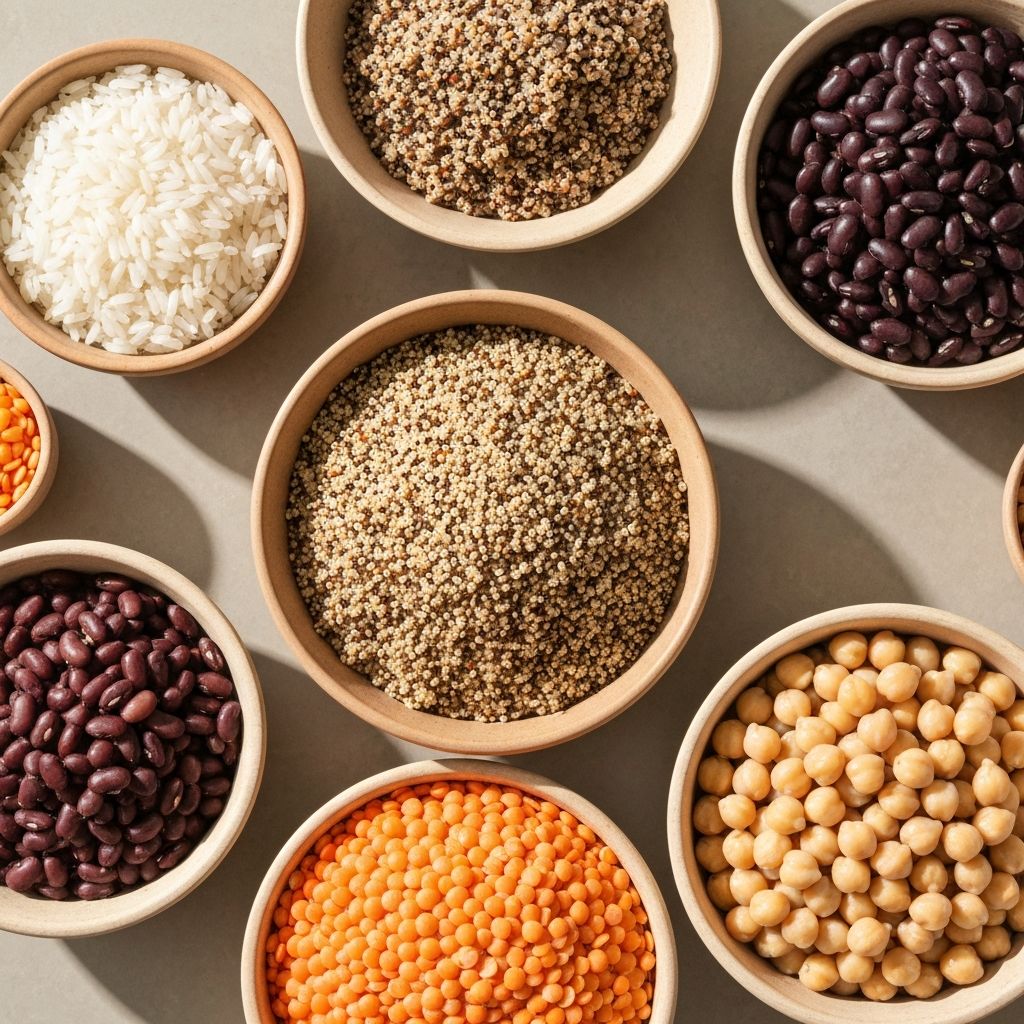
Fiber is found exclusively in plant-based foods including vegetables, fruits, whole grains, legumes, nuts, and seeds. Different plant foods contain varying amounts and types of fiber, making dietary diversity important for adequate fiber intake.
Types of Fiber
Fiber is classified into two main types based on water solubility, and each type serves distinct functions in the digestive system.
Soluble Fiber
Soluble fiber dissolves in water and forms a gel-like substance in the digestive tract. This type of fiber slows digestion, contributing to sustained satiety and more gradual glucose absorption.
Common sources include:
- Oats and oat bran
- Legumes (beans, lentils)
- Apples and citrus fruits
- Barley and other whole grains
Insoluble Fiber
Insoluble fiber does not dissolve in water and passes relatively intact through the digestive system. This type of fiber promotes digestive movement and contributes to healthy bowel function.
Common sources include:
- Whole wheat and whole grains
- Vegetables and leafy greens
- Nuts and seeds
- Fruit skins
Health Functions of Fiber
Digestive Health
Fiber contributes to regular digestive function by promoting appropriate bowel movement. Adequate fiber intake is associated with healthy digestion and regular bowel habits.
Blood Sugar Regulation
Soluble fiber slows the absorption of glucose, which can contribute to more stable blood sugar levels after meals. This gradual glucose absorption may also support satiety and sustained energy.
Cholesterol Management
Certain types of soluble fiber have been shown to help maintain healthy cholesterol levels by binding to cholesterol compounds in the digestive tract.
Satiety and Energy Balance
High-fiber foods tend to be more filling due to their bulk and slower digestion. This may contribute to greater satiety and more moderate energy intake when foods are consumed as part of a balanced diet.
Gut Health
Fiber serves as a food source for beneficial bacteria in the intestinal microbiome. A diverse fiber intake supports a diverse and healthy microbial community in the digestive tract.

Incorporating Fiber into Daily Intake
Adequate daily fiber intake is typically defined as 25-30 grams per day for adults, though individual needs may vary based on age and other factors.
Practical Approaches
- Choose whole grains over refined grains
- Include vegetables and fruits at multiple meals
- Incorporate legumes such as beans and lentils into meals
- Include nuts and seeds as snacks or additions to meals
- Maintain consistent fiber intake rather than sudden increases
- Ensure adequate hydration to support fiber function
Important note: Significant increases in fiber intake should be gradual to allow the digestive system to adjust, and adequate hydration is important for fiber to function optimally.
Food Diversity and Fiber Intake
Consuming a diverse array of plant-based foods ensures intake of various types and amounts of fiber, as well as other important nutrients. Different foods contain unique combinations of fiber types, phytonutrients, vitamins, and minerals.
Educational Information
This article provides general information about fiber and its functions for educational purposes. Individual dietary needs vary and may be influenced by specific health conditions. Consultation with healthcare professionals is recommended for personalized dietary guidance.
Educational Content Only
This article is informational. No promises of outcomes.