 Nelynx
Nutritional Diversity and Sustainability
Building eating patterns that support nutrition, enjoyment, and long-term adherence.
The Principle of Dietary Variety
Nutritional diversity—consuming a wide array of foods across all food groups—is a fundamental principle of healthy nutrition. Different foods provide different combinations of nutrients, and dietary variety ensures comprehensive nutrient intake.
Rather than focusing narrowly on specific foods or nutrients, a practical approach emphasizes consuming diverse whole foods from all food groups. This ensures adequate intake of essential vitamins, minerals, phytonutrients, and other beneficial compounds found across the food spectrum.
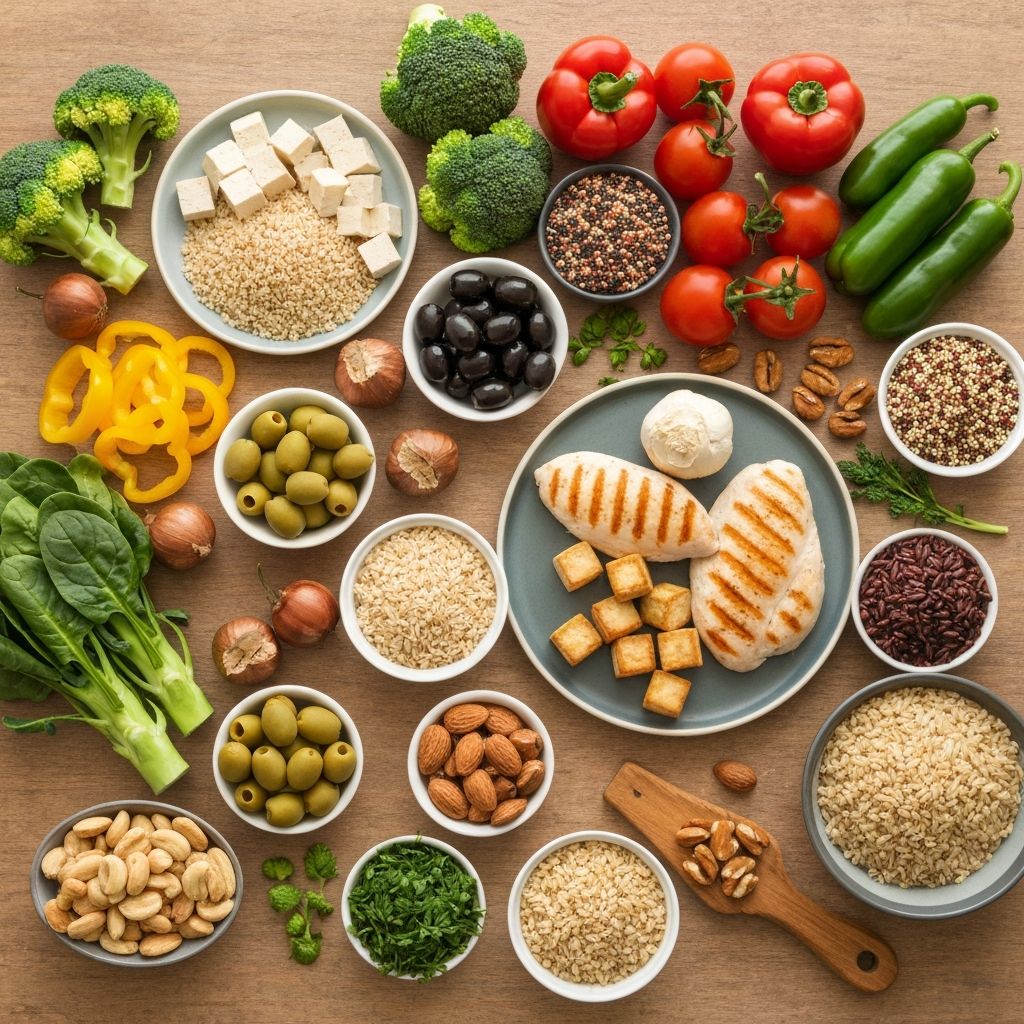
Food Groups and Nutritional Contributions
Understanding the basic food groups and their nutritional contributions provides important context for building balanced meals and adequate dietary patterns.
Vegetables
Rich in vitamins, minerals, fiber, and phytonutrients. Vegetables come in diverse colors, each providing different nutrient profiles. Consuming vegetables of various colors ensures diverse nutrient intake.
Includes: Leafy greens, cruciferous vegetables, root vegetables, colorful peppers, mushrooms, legumes
Fruits
Good sources of vitamins, minerals, fiber, and natural sugars. Different fruits offer diverse nutrient profiles. Whole fruits include beneficial fiber not present in juices.
Includes: Berries, stone fruits, citrus, melons, tropical fruits, apples, pears
Grains
Primary source of carbohydrates and energy, also providing B vitamins and fiber (particularly whole grains). Whole grains retain the nutrient-rich bran and germ.
Includes: Whole wheat, oats, brown rice, quinoa, barley, rye, corn
Proteins
Essential amino acids and important minerals. Both animal and plant-based proteins contribute to adequate protein intake and offer diverse nutrient profiles.
Includes: Meat, fish, poultry, eggs, legumes, nuts, seeds, dairy
Dairy
Source of calcium, protein, and vitamin D. Both animal-based and plant-based options contribute to nutritional needs.
Includes: Milk, yogurt, cheese, fortified plant-based alternatives
Healthy Fats
Essential for hormone production, nutrient absorption, and cellular function. Diverse fat sources provide different beneficial compounds.
Includes: Nuts, seeds, avocados, oils, fatty fish
Building Sustainable Eating Patterns
Sustainable eating patterns are those that can be maintained consistently and align with individual circumstances, preferences, and lifestyles. This emphasis on sustainability recognizes that the "best" diet is one that can actually be followed long-term.

Principles of Sustainable Eating
- Diversity: Include foods from all food groups regularly
- Balance: Consume appropriate proportions of different macronutrients
- Enjoyment: Choose foods you genuinely enjoy—eating is a social and sensory experience
- Flexibility: Allow for variation rather than rigid adherence to rules
- Consistency: Maintain relatively consistent eating patterns rather than extreme restriction followed by overconsumption
- Mindfulness: Pay attention to hunger, fullness, and food quality
- Practicality: Choose approaches that fit realistically into your life
Practical Strategies for Dietary Variety
Meal Planning and Preparation
Planning meals ahead and preparing food supports consistency and ensures diverse food intake. Simple strategies include preparing vegetables in advance, cooking grains in batches, and having diverse proteins available.
Trying New Foods
Regularly incorporating new foods or trying unfamiliar varieties from known food groups expands dietary diversity and prevents eating from becoming monotonous. Small changes—trying a new vegetable, grain, or preparation method—gradually expand food variety.
Seasonal Eating
Eating foods that are in season naturally encourages dietary variety throughout the year as different foods become available in different seasons. Seasonal foods are often fresher and more affordable.
Cultural and Ethnic Cuisines
Exploring foods from different cultural cuisines naturally introduces diverse ingredients and preparation methods. Different culinary traditions offer varied approaches to balanced eating.
Balancing Comfort with Variety
Including familiar, enjoyable foods alongside new or less-preferred foods supports long-term adherence. Perfect nutritional balance is less important than consistent eating patterns that include diverse foods.
Individual Adaptation
Effective eating patterns account for individual circumstances including food preferences, cultural background, health status, and practical constraints. What works well for one person may not suit another, and that's entirely appropriate.
Considerations for Individual Adaptation
- Food preferences and cultural traditions are valid and valuable
- Health conditions or dietary restrictions require specific adaptations
- Budget and food access influence food choices—work within what's available
- Time constraints require practical, efficient approaches
- Social contexts and eating with others are important aspects of eating experience
- Personal satisfaction and enjoyment support long-term consistency
Educational Context
This article explains dietary diversity and food groups for educational purposes. Individual nutritional needs and dietary approaches vary based on numerous factors. Consultation with healthcare professionals is recommended for personalized dietary guidance, particularly for those with specific health conditions or dietary restrictions.
Educational Content Only
This article is informational. No promises of outcomes.